

Authorizing Streamlined ADU Development
As MM&C zoning attorneys reported in July 2025, the Maryland General Assembly passed legislation, known as the Accessory Dwelling Units Act of 2025, to promote and encourage the creation of Accessory Dwelling Units (ADUs) on properties zoned for single-family homes. The legislation aims to increase housing availability and affordability by allowing homeowners to add a secondary dwelling unit to their property.
The bill took effect on October 1, 2025, and applies to charter counties and Baltimore City, with the goal of increasing housing options and affordability across Maryland. By October 1, 2026, local legislative bodies must adopt laws authorizing ADU development, which are defined as secondary dwelling units (aka Small Houses, Granny Flats, In-law Suites, etc.) that are on the same lot as a primary single-family dwelling and not larger than 75% of the primary unit’s size.
As stipulated by the current ADU requirements in Maryland, these units generally require a straightforward ADU permitting in Maryland process, benefiting homeowners with a relatively smooth journey from conception to completion.
According to Land Use and Zoning attorney, Sean Hughes, “The October 2026 mandatory requirement for all Maryland Counties to be in compliance with the Accessory Dwelling Units Act of 2025 is fast approaching. We’ve seen positive changes in proposed and new regulations in both Howard County and Montgomery County on ADUs to make it much easier to obtain permission and build on properties.”
Montgomery County enacted new ADU legislation in 2019 and has proposed legislative changes that will make ADUs more accessible. Some key historical data and information about the proposed ADU legislation in Montgomery County includes:
- 222 ADUs have been approved and permitted since 2019
- allowing ADUs in all zones where a single-family detached unit is permitted
- reducing the requirement for ADUs to develop extra parking if no on-site parking currently exists and allowing for a parking waiver based on site constraints
- reducing the side setback distance to that of an accessory structure vs. greater distance required for a single-family residence/primary structure
The Purpose and Benefits of ADUs
Why are more Marylanders jumping on the ADU bandwagon? The benefits are clear and far-reaching:
- They serve as a sanctuary for aging parents who desire proximity to their loved ones while maintaining their independence.
- Adding an ADU can significantly increase property value, making it an attractive feature for future home buyers.
- They provide a buffer for recent college graduates, enabling young adults to save and plan their next move in the comfort of a family-owned ADU.
- For those who love to entertain or have extended family stay over, ADUs offer a private and comfortable space for guests.
- Homeowners can leverage ADUs as a source of passive income through renting, offering a solid investment opportunity.
County and City Resources in Maryland for ADUs
Use the links below for zoning and permitting guidelines for ADUs in local jurisdictions:
| Montgomery County | City of Rockville |
| Howard County | City of Gaithersburg |
| Prince George’s County | |
| Baltimore County | |
| Anne Arundel County | |
| Frederick County |
How MM&C Land Use and Zoning Attorneys Can Help
Sean Hughes is an attorney in Miller, Miller & Canby’s Land Use practice group. His career spans more than three decades of focus in land use, zoning and wireless telecommunications. The firm’s Land Use & Development practice concentrates on land use, zoning, subdivision and planning law in Montgomery County and the municipalities within the county. Our areas of expertise include zoning, special exceptions, conditional uses, building variances, sign variances, subdivision, master planning, building permit issuance, and administrative and real estate matters related to land development. Learn more about Miller, Miller & Canby’s Land Use and Zoning practice by clicking here or contact us at 301.762.5212.
RELATED NEWS & RESOURCES

Thirteen Miller, Miller & Canby Attorneys Recognized as Best Lawyers in America® for 2027 and Two MM&C Attorneys Recognized in Exclusive “Lawyer of the Year” Category
5G Wireless Infrastructure and Small Cells Zoning, Business & Tax, Elder Law, Eminent Domain and Condemnation, Employment Law, Estates & Trusts, Land Development, Litigation, Maryland Property Tax News, MM&C Happenings, News & Events, Press, Real Estate
Miller, Miller & Canby Announces Attorneys Named as 2027 Super Lawyers in the State of Maryland
Eminent Domain and Condemnation, Employment Law, Land Development, Litigation, MM&C Happenings, News & Events, Press

Bethesda Magazine Names Ten Miller, Miller & Canby Attorneys to 2025 “Top Attorneys” List
Business & Tax, Elder Law, Eminent Domain and Condemnation, Employment Law, Estates & Trusts, Litigation, MM&C Happenings, News & Events, Press, Real Estate
National Estate Planning Awareness Week: How to Provide the Ultimate Gift for your Loved Ones
Elder Law, Estates & Trusts, News & Events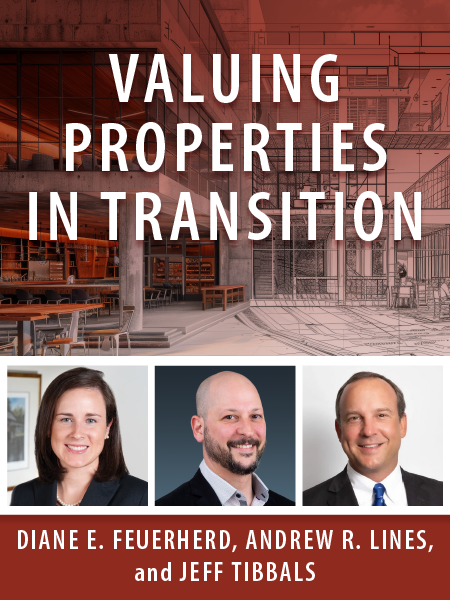
MM&C Attorney Diane Feuerherd Contributes to Article “Valuing Properties in Transition” for ALI CLE
Eminent Domain and Condemnation, Litigation, MM&C Happenings, News & Events, Press, Publications, Real Estate
Share this Article: